
A Connected Campus: Concordia
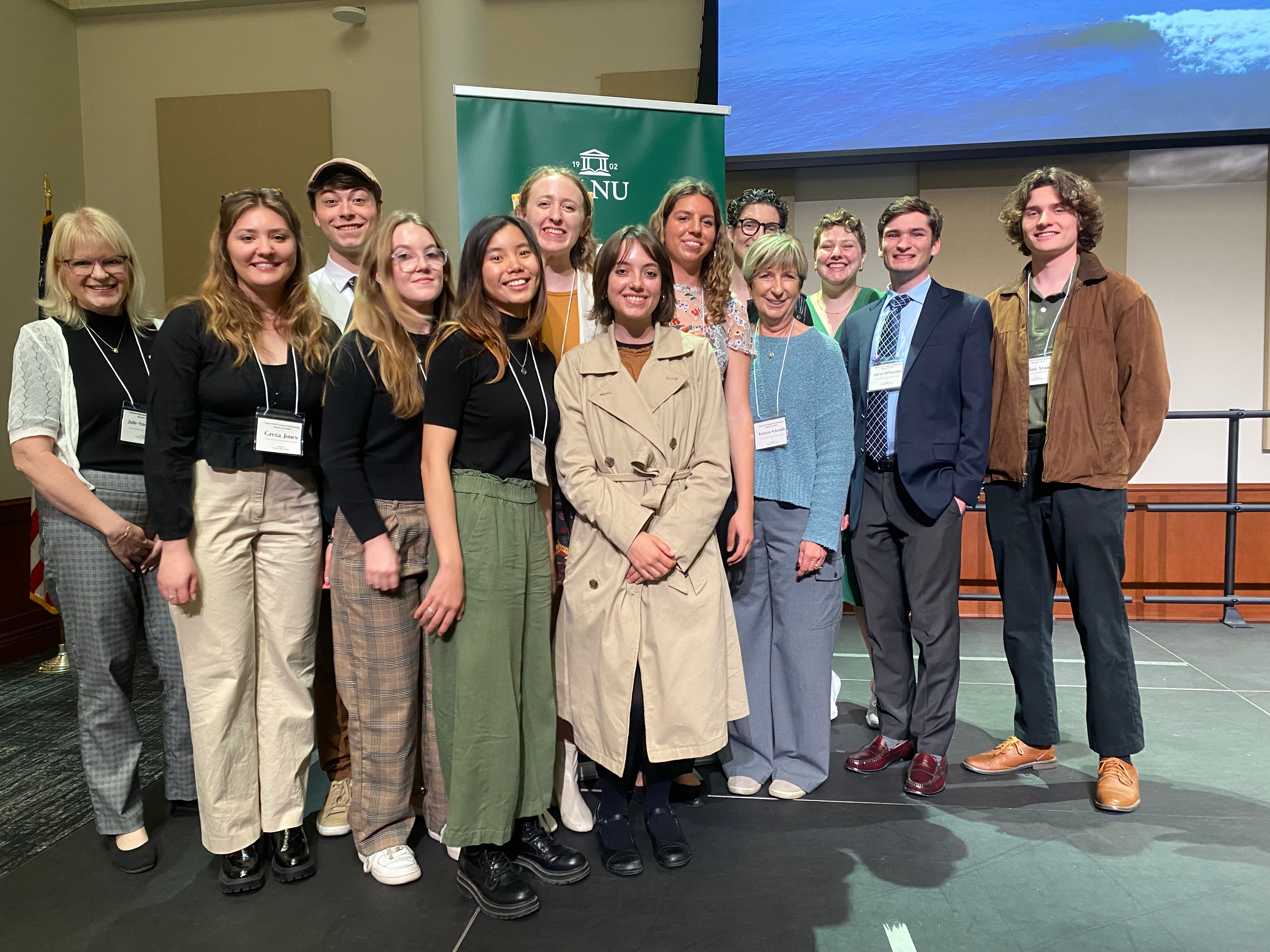
Camille Beeson : 3/24/25
In the fall of 2024, Concordia University Irvine launched the “Ambassador Program” designed to connect the Writing Studio interdepartmentally across Concordia’s campus. In just the first nine months of its launch we have seen exponential growth since last year. For example, in the fall of 2023 there were 354 required appointments, whereas in the fall of 2024 there were 587 required appointments, roughly a 40 % increase in required appointments, while the amount of non required appointments stayed roughly the same. This increase can be largely attributed to the Ambassador program, for their interaction with faculty and promoting the value of encouraging students to utilize our resources.
In our preliminary year, the Ambassador program consisted of each consultant being assigned a department or student group to communicate with. A consultant may be assigned one large department, such as STEM, or English, where there are many papers and professors to communicate with, or, in my case, multiple smaller departments. Notable groups (separate from departments) that were assigned consultants included the Honors program, Veterans program, and the Unity Center. Once assigned a department it became the consultants responsibility to communicate with the departments through email and meetings. Consultants were required to attend one faculty meeting per year, and communicate with departments regularly throughout the semester. At staff meetings, reports would be given on behalf of each department to educate consultants on papers they could expect to see coming into the studio. In this way, faculty were encouraged to advise their students to come to the Writing Studio, and as consultants, we became further equipped to serve students across disciplines. These interactions also educate the professors. As consultants, we see exactly where students are struggling, or misinterpreting information. Through the Ambassador program, we can then communicate these struggles to the professors, so that they learn how their students are struggling, and respond accordingly.
Our Ambassador program has created greater publicity of our presence on campus, and a greater relationship across departments. As consultants we are more equipped because we know the expectations professors have for their students, and professors have greater insight to how students are responding to and receiving their prompts.
In 2024-2025, I was the ambassador for both the Theatre, and Communications departments. As a first year consultant/ ambassador, I felt intimidated by the job set before me. Interacting with students in sessions alone seemed a monumental feat to overcome, not to mention professional communication! Yet despite my fear, I grew immensely through both roles. I grew in professionalism, communication, and confidence. Luckily for me, I was assigned to departments where I had previously existing relationships. As a Theatre and English major who has taken communication classes, I have an intimate relationship with the theatre faculty and relationships with the communications department. Through email correspondence I grew in professionalism, both in how I presented myself and communicated to the departments. The more I engaged with the faculty, and emphasized the importance of me visiting classes to speak directly with students, the more confidence I gained. Being an Ambassador challenged me, and helped me continue to develop my professional skills.
While there were many positive aspects of Ambassadorship, I came across challenges specifically with the theatre department. I am blessed to have an extremely personal relationship with the theatre faculty, but because of our natural intimacy I struggled to create a professional relationship with them. The theatre faculty have worked at Concordia for a long time, and have seen the importance of the Writing Studio. Because of this, they did not feel particularly compelled to increase promotion of the Writing Studio. In their time teaching, they tend to mention and remind students of the value of the Writing Studio in class, but do not require sessions. Due to the nature of the major, there are less papers that are assigned, which may result in our lack of theatre students. As a theatre student myself, I see the Writing Studio as invaluable for theatre majors. In the major, we are challenged to analyze and think critically about the plays we read, characters we encounter, and artistic choices we produce. In the Writing Studio, we do not merely edit papers, but help students critically analyze, brainstorm how to respond, and interact with the texts. I believe that students in theatre classes would benefit greatly from Writing Studio appointments. Specifically in Directing, and Writing for the Stage and Screen.
In both Directing 1 and 2, students are tasked with dramaturgical work, that results in an large paper of research, analysis, opinions, and concept. The Writing Studio can help student directors critically analyze the plays they are wrestling with, and help them brainstorm concepts and artistic choices grounded in the world of the play. As a student in these directing classes, I believe that more intentional faculty promotion of the Writing Studio, in regards to dramaturgical work, would increase our analytical learning and consequently the quality of work we produce.
In Writing for the Stage and Screen, students are challenged to craft and write stories that can be produced. It is foolish to undertake such a massive challenge without the help of an editor, or consultant who can challenge and shape the drafts written. In Writing for the Stage and Screen, I believe that Writing Studio appointments should be made mandatory by the professor. Multiple appointments throughout the writing process would help the writers create more advanced, and effective stories.
In the communications department, professor Hack incorporated some required appointments in his classes. These sessions were extremely effective, and proved extremely valuable to one specific student. She took the required appointment, and chose to create biweekly appointments through the semester. Through this long standing relationship she grew in creating effective structures, theses, understanding assignment prompts, researching, critical thinking, citations, and sentence clarity. The progress she made was incredible, and set her up not just to get good grades, but to become a better student. The communication department assigns specific and effective assignments, and students benefit from workshopping these projects in a Writing Studio consultation.
Obviously creating required appointments in classes can result in both pros and cons. Oftentimes, the most disinterested writers we meet with are those who are there just because they were “forced” too. As consultants these can be some of the most challenging sessions. But more often than not, students who are required to come in enter uncertain, but leave more confident in their skills. Ultimately, required appointments are just as valuable and productive as optional appointments. By promoting required appointments in classes, we expose more students to the Writing Studio, and equip them with tools that will help them thrive throughout their educational career. Through this exposure, students come back from their own volition because of the positive experience they had previously.
The Ambassador program, in its first year, has been incredibly successful in continuing to promote the Writing Studio on campus, more effectively help interdisciplinary students, and inform professors on how their assignments are being received. As I continue to be an ambassador next year, I hope to increase the amount of contact I have with my departments, and help professors find tangible ways to incorporate the Writing Studio into their classes. I plan to reach out next year with these specific options of how we can be further implemented within their programs.
 Camille Beeson