
Tin trash can lids swirl past me in the dance of the waiters. Each one holding the bountiful harvest of an unlucky cow. Saliva forms at the corners of my greedy smile, my chubby seven-year-old hands reaching toward the glorious slab of rib meat, slathered in honey barbeque.
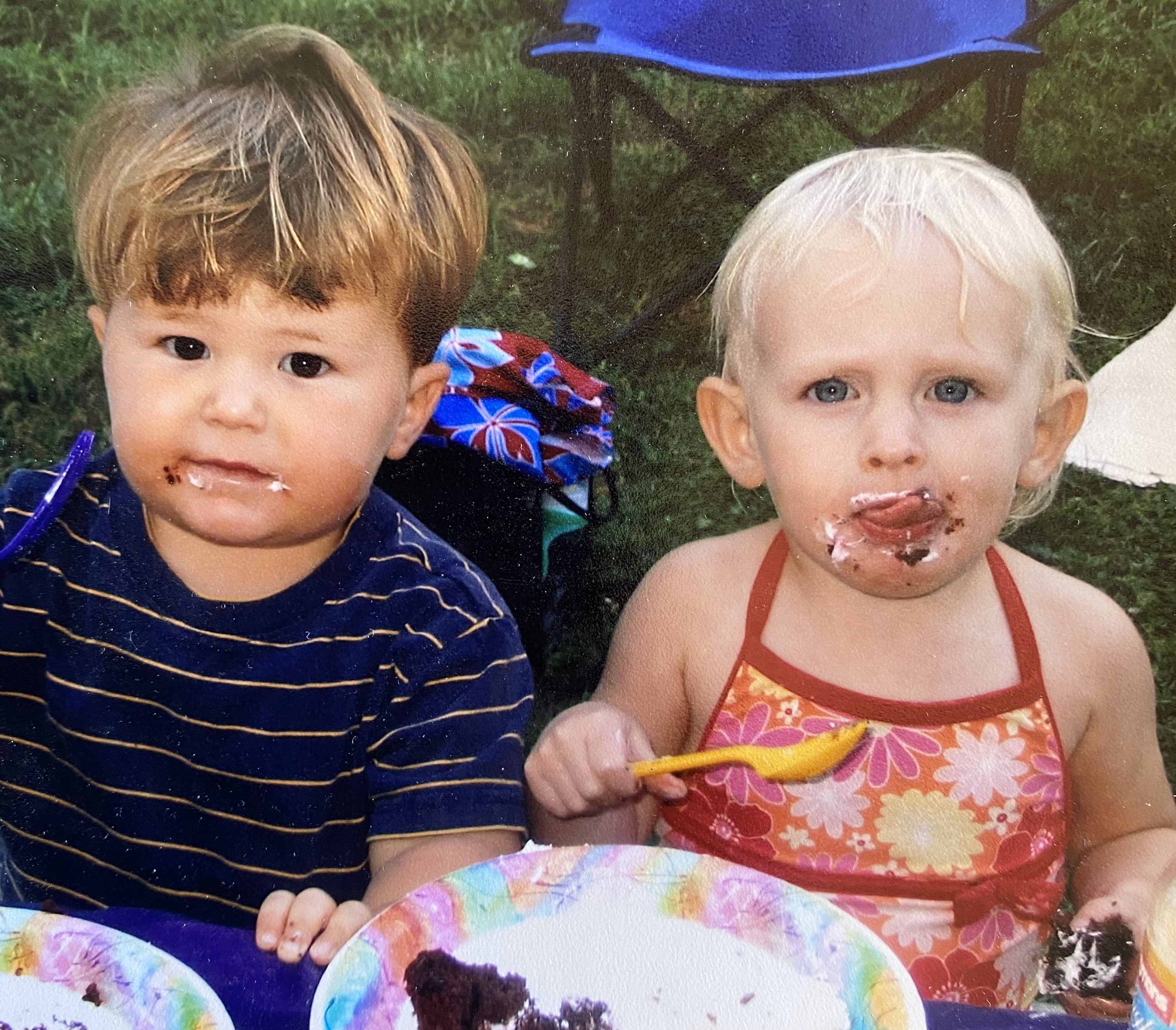
Eating ribs is a holy act. Demanding the appreciation of every sense. Nostrils suck up hickory smoke, well loved by rubs of brown sugar. Flavorful fat melts through the caverns of my mouth, while sweet bodied barbeque spreads from lips to nose to cheeks. Golden brown hands satisfyingly squish sauce between fingers. Oh how wonderful to experience ribs!
Even at seven, I looked scornfully upon people who ate ribs delicately, dabbing the corners of their mouth with a wet wipe. Where was the investment? The enjoyment? Did their taste buds dance with each bite? If so, there was no substantial evidence. Ribs should end with barbeque clogged pores. It should be sticky!
So should your writing.
Students tend to write from a distance, flippantly considering their memoir from afar: take a glance, use descriptive words to amp up word count, produce a few sentences, and move on. As a consultant in the Writing Studio, I read many personal narrative essays from WRT 102 and WRT 201 students. During these consultations, I frequently struggle to see how writers care about their own story. While there are often descriptive adjectives, their essays tend to lack personal emotional investment. This approach to writing is like a child looking at their meal, then proudly exclaiming “I finished!” Your ribs are still on the plate. If we are passive as we write, our audience will be passive as they read.
So how can we get messy? How can we pick up each aspect of our meal, and experience it fully, getting barbeque sauce everywhere. The more we engage with our own stories, the more we will personally be impacted, and be able to impact others.
Unlocking our senses is the first step of jumping into the feast. Close your eyes and go back to the memory.
What colors swirled around?
Which is the quietest sound?
What’s that smell?
What sweetness floods the palette?
Reach out, grab it. How does it feel squeezed in your palm?
Now choose a different angle.
How does that change your view?
Were you intellectually stimulated? How?
Who did you connect with?
What feelings bubbled in your chest?
Challenge the memory. Ask it question after question until each rib is licked clean, and sauce smudged across your face. Now open your eyes, grab a journal and jot down your discoveries. Look through your writings and see which adjectives you like best. Which analogies stick out to you? Use your answers to revitalize your paper, substituting passive comments, for active remembrance. By surrendering each sense to fully experience memories, your personal essays will be teeming with flavor and your belly full.
Camille Beeson September 24, 2024
 Camille Beeson